
Suddenly my fb page is now shop ready. Rather qualifying acts.
That was extempore by best-practices and a lot more than 19 in play. Indeed. Exaggerated. Continue reading Suddenly my fb page is now shop ready. Rather qualifying acts.

Check out what I found on Wish!
In these desperate times with the onslaught of COVID-19 in play, contact less marketing is the heed! Continue reading Check out what I found on Wish!

Communication solutions for every business – on any device – anywhere!
Dynamic products to elevate engagements, improve productivity and create lasting relationships. Continue reading Communication solutions for every business – on any device – anywhere!
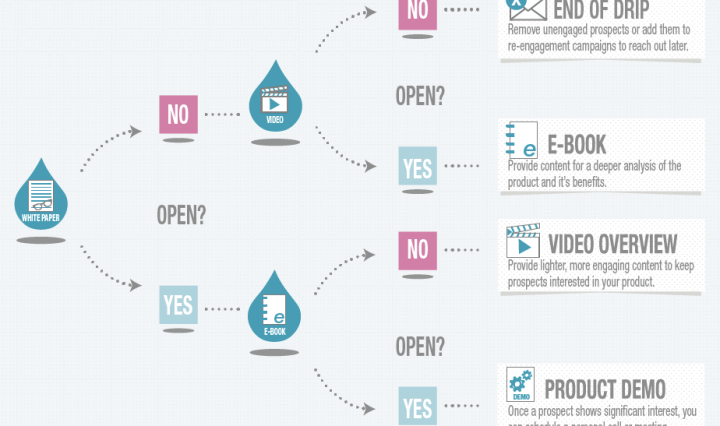
Reasons Drip Marketing is ultimate justice for better conversions?
Why Drip Marketing Stage Sequencing via #HSHDSH is ultimate tool for higher conversions? Continue reading Reasons Drip Marketing is ultimate justice for better conversions?
Lessons on Digital Artwork Collections at @Neonmob via #HSHDSH for utile moments!
Save a few creative in their initial design conceptualization phases to custom introduce these few designs as “Variant” & “Chase”. If selected, Neonmob.com pays original art/collection designers royalties on sales from your collection. Continue reading Lessons on Digital Artwork Collections at @Neonmob via #HSHDSH for utile moments!

Learn to growth hack online marketing & advertising via #HSHDSH
Don’t just redesign your website but relive an experience of what you started and from where you started. Hashtag #HSHDSH!! Sourced through Scoop.it from: pallab-kakoti.blogspot.in Turn social channels into fluid conversion channels using hashtag URLs like #vote, #buy, etc. and the ability to turn social media channels into an authentic platform for conversion. – See more at: http://pallab-kakoti.blogspot.in/2015/12/revealing-47-zetasos-now-to-empower.html#sthash.e8oTVmmQ.dpuf See on Scoop.it – Digital Marketing Continue reading Learn to growth hack online marketing & advertising via #HSHDSH

#HSHDSH presents #HiddenRealities from @Neonmob featuring #LittleRedMan by #UGLYKIDJOE
We just don’t redesign your website but relive an experience of what you started and from where you started. Continue reading #HSHDSH presents #HiddenRealities from @Neonmob featuring #LittleRedMan by #UGLYKIDJOE

I #ADVNTR Design
I #ADVNTR design! Try http://t.co/D0nZha5aHh for more @blogs4bytes @pallab666 via #hshdsh https://t.co/yCJYNNTkRw pic.twitter.com/dpv6zghQRR — weekend getaways (@wkndgetaways) June 9, 2015 I #ADVNTR Design Escape to Ladakh This June Ladakh Adventure and Photography Tour 2015 [20th June to 1st July … Continue reading I #ADVNTR Design

New York Views #ADVNTR via #hshdsh
Tomorrow when ends meet of your destiny you don’t want to end up on losing side when they ask you where have you been so long? What you say then will matter not for you but for all you represent. Who look up to you when they must also answer their maker when thy too asks where have you been? Continue reading New York Views #ADVNTR via #hshdsh
 Pallab blogs 4 bytes